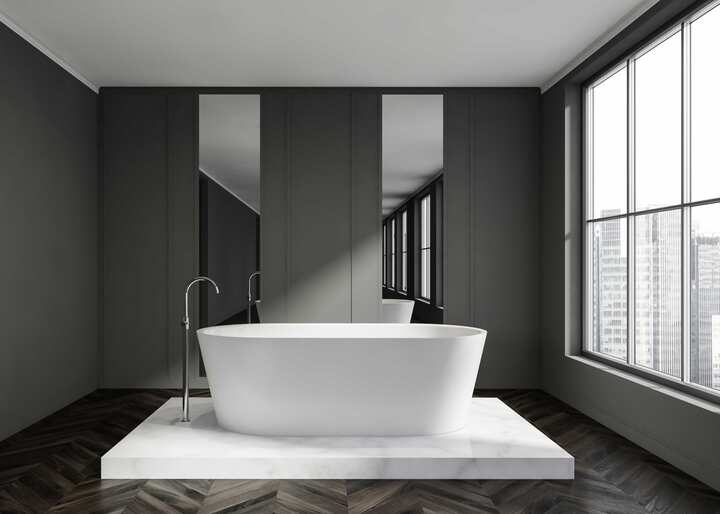
Which Is Better, Freestanding Or Built-In Bathtubs?
Bathrooms are a vital part of any home and the bathtub is often the centerpiece. It is important to choose the right tub for your needs and preferences, but deciding between freestanding or built-in options can be difficult. This article provides an overview of both types of tubs, their advantages and disadvantages, as well as factors to consider when making the decision.
Freestanding tubs are the most popular choice in recent years due to their unique designs and modern appeal. They come in a variety of shapes, sizes, materials and finishes, allowing for greater customization within a bathroom space. Freestanding tubs also require less installation effort than built-in models. On the other hand, built-in tubs offer more stability due to their construction method and may provide better support from a comfort standpoint. They also have sleek designs that can fit into any bathroom's décor.
Ultimately, when choosing between freestanding or built-in bathtubs it comes down to personal preferences and needs. This article will explore both types of tubs in detail so that readers can make an informed decision on which one best suits their lifestyle and budget.
Types Of Bathtubs
The bathtub is a symbol of relaxation and rejuvenation, offering a retreat from the stressors of everyday life. Its design can be as varied as the individual needs it meets; from contemporary to classic, from shallow to deep, and from freestanding to built-in.
Freestanding bathtubs are usually round or oval in shape, standing on four legs and made of a variety of materials such as acrylic, fiberglass, cast iron, steel or stone. They come in a range of sizes and shapes suitable for all bathroom styles with many featuring contoured sides for added comfort.
Built-in bathtubs are designed to fit into specific areas with minimal disruption to the surrounding area. They offer a sleek, modern look that can complement any existing bathroom style. Commonly made out of acrylic or fiberglass they may include features such as jets or massaging options as well as additional support systems like grab bars and headrests.
Whether you opt for a freestanding bathtub or a built-in one is largely dependent on your preferences and budget. Both have their advantages but ultimately the decision should come down to what works best for you and your family.
Pros And Cons Of Freestanding Bathtubs
Freestanding bathtubs offer a great deal of flexibility and convenience when it comes to bathroom design. They are usually constructed in an oval or rectangular shape and are made from a variety of materials, including acrylic, cast iron, and porcelain. Freestanding bathtubs can be installed almost anywhere, as they do not require wall-to-wall installation like built-in models do. This makes them ideal for smaller bathrooms, as well as for those who want to create a unique look in the room.
On the other hand, freestanding tubs may not be suitable for all bathrooms. They often require special floor supports and may need more extensive plumbing work than built-in tubs. Additionally, these models typically have higher water consumption rates than their built-in counterparts, making them less efficient. Furthermore, because of their large size and weight, they can be difficult to move once installed.
Overall, freestanding bathtubs offer homeowners a great deal of flexibility when it comes to designing their bathroom space. However, they should be carefully considered before purchase due to their potential maintenance requirements and increased water consumption rate. Taking these factors into account will help ensure that the right type of tub is selected for any given bathroom space.
Pros And Cons Of Built-In Bathtubs
The sleekness of a built-in bathtub is vastly different from the classic elegance of a freestanding tub. One offers an open and inviting appeal while the other has a more modern aesthetic. The choice between the two requires careful consideration of both their pros and cons.
A built-in tub offers a sense of permanence and stability, as it is firmly secured to the bathroom floor. It can also be designed to fit within the overall style and design of any given bathroom. Moreover, since these types of bathtubs are usually larger than freestanding ones, they can provide greater comfort for users who like to relax in warm water for longer periods of time.
On the other hand, there are some drawbacks to consider when deciding on a built-in bathtub. Installing one requires extensive renovation work which will likely involve plumbing fixtures and tiles being replaced or moved around in order to accommodate it. Furthermore, if you decide to move house in the future, you might find it difficult to take your existing built-in tub with you due to its size and weight.
Ultimately, selecting either type of bathtub depends on individual preferences as well as budgetary constraints and available space in the bathroom. While freestanding tubs may offer more versatility and convenience, built-in ones may be preferable if one is looking for increased stability and an updated look in their bathroom.
Design Considerations
When deciding between a freestanding or built-in bathtub, it is important to consider design elements and practical considerations. The aesthetic of the space should be taken into account when selecting a bathtub, as well as any existing fixtures that may be present. Freestanding tubs are often more traditional and ornate in style, while built-in tubs tend to have a more contemporary look with clean lines and minimalistic design. Additionally, the size of the bathroom should be taken into consideration when choosing between these two options, as freestanding tubs can take up considerable floor space while built-in tubs can fit into corners or other tight spaces.
From a practical standpoint, freestanding tubs are often easier to install than built-in tubs. This is because they are pre-assembled and do not require plumbing work or additional framing. Built-in tubs must be installed directly against walls or structural supports which requires additional labor and materials. Additionally, freestanding tubs often come with their own feet which allow for easy installation on uneven surfaces whereas built-in tubs must be installed on level ground for proper installation.
The cost of either type of bathtub will depend on size, material, brand, etc., but overall freestanding tubs generally cost less than built-ins due to their simpler installation requirements. Some people prefer the classic look of a freestanding bathtub while others prefer the modern sleekness of a built-in model; ultimately it comes down to personal preference and budget when deciding between these two types of baths. No matter which type is chosen, both provide an opportunity to create a luxurious retreat in the home.
Cost Comparison
When it comes to cost, there are several factors that can help determine which type of bathtub is more economical. Freestanding baths are generally cheaper than built-in baths, since they don't require any additional construction or installation costs. On the other hand, built-in baths require professional installation and may involve plumbing costs, making them more expensive overall. In terms of maintenance costs, freestanding baths tend to be less expensive since they don't require any additional maintenance beyond regular cleaning. However, built-in baths may need to be serviced more regularly in order to keep them functioning properly and looking their best.
When it comes to resale value, freestanding baths can provide a greater return on investment than built-in baths because they are easier to remove and transfer from one home to another if necessary. Built-in baths on the other hand are permanent fixtures and may not be attractive to prospective buyers when the time comes for reselling the home.
Overall, freestanding bathtubs tend to be less expensive initially and provide a greater return on investment due to their ease of transferability. Built-in bathtubs however offer a more permanent solution which may appeal to homeowners looking for long-term use or luxury features such as hydrotherapy or air jets. Ultimately though, the choice between freestanding or built-in is up to individual preference and budget constraints.
Start Your Journey to Your Quincy Dream Bathroom Today!
Want to turn your bathroom into your dream bathroom? We can help! Our network of professional
bathroom remodeling contractors have the expertise and skill to make your dream bathroom come to life. Reach out to us now and get started on your dream bathroom project! Don't wait any longer - contact us today and get started on your dream bathroom!